Daily Habits for Physical Health and Hygiene
Maintaining physical health and hygiene is essential for a happy and productive life. Understanding the importance of these practices helps individuals build strong immunity, prevent diseases, and stay active. This course is designed to provide a complete guide on physical health and hygiene, covering everything from daily routines to proper nutrition and exercise. By learning simple habits, anyone can improve their overall well-being and develop a disciplined lifestyle. The modules in this course focus on practical strategies, tips, and examples that make maintaining physical health and hygiene easy and effective. Whether you are a student, professional, or homemaker, these lessons are valuable for everyone. Start your journey towards a healthier life by exploring the fundamentals of physical health and hygiene today.
Course Navigation
Module 1: Introduction to Physical Health and Hygiene
Image:
Video: Watch Video
1.1 What is Physical Health?
Image:
Video: Watch Video
Explanation:
Physical health refers to the
condition of your body – how well it functions, and how free it is from illness and injury. It includes
regular exercise, balanced nutrition, sufficient rest, and routine medical check-ups.
Example:
Ravi walks for 30 minutes every day, eats fruits and vegetables, and avoids junk food. He rarely falls sick and feels energetic throughout the day, showing good physical health.
1.2 Importance of Physical Health in Daily Life
Image: 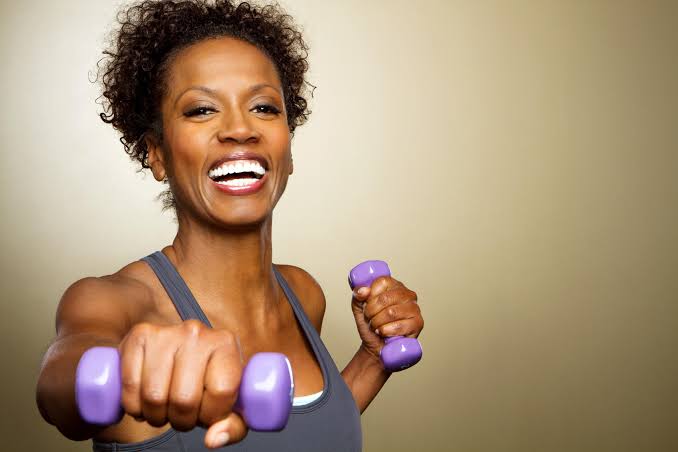
Video: Watch Video
Explanation:
Example:
Neha, a school teacher, noticed that when she started doing yoga daily and eating healthy, her teaching became more effective as she felt more energetic and focused.
1.3 Understanding Hygiene and Its Role in Health
Explanation:
Hygiene means practices that help maintain cleanliness and prevent the spread of diseases. These include bathing, washing hands, brushing teeth, and wearing clean clothes.
Example:
Amit developed skin allergies due to
skipping regular baths. Once he started maintaining
personal hygiene, his condition improved. This shows how
hygiene directly affects health.
1.4 Connection Between Hygiene and Disease Prevention
Image: 
Explanation:
Poor hygiene can lead to
bacterial or viral infections like cold, flu, diarrhea, and skin infections. Good hygiene practices act as a
shield, protecting you from many preventable illnesses.
Example:
During the flu season, Sanya made it a habit to
wash hands frequently and
wear a mask in crowded places. She stayed healthy while many around her caught the virus.
QUIZ – Module 1: Introduction to Physical Health and Hygiene
What is physical health mainly about?
A. Wearing good clothes
B. Condition and functioning of your body
C. Reading daily
D. Watching fitness videos
Answer: B
Which of the following is a benefit of good physical health?
A. Feeling tired easily
B. Risk of disease increases
C. More energy and focus
D. Less sleep required
Answer: C
What is hygiene?
A. Doing exercise
B. Keeping your body and surroundings clean
C. Watching health tips
D. Going to parties
Answer: B
Which of the following is NOT a part of good hygiene?
A. Regular hand washing
B. Skipping showers
C. Wearing clean clothes
D. Brushing teeth twice a day
Answer: B
Why is hygiene important for health?
A. It makes you look good
B. It helps prevent diseases
C. It helps in making friends
D. It helps in reading books
Answer: B
Module Description
This module introduces learners to the basic concepts of physical health and hygiene. It emphasizes the significance of maintaining a healthy body and how hygiene plays a vital role in preventing diseases. By understanding the connection between habits and health, learners will be better equipped to take charge of their well-being and adopt practices that promote long-term fitness and cleanliness.
Trusted Health Site - NIH
Health and Hygiene: with Anatomy and Physiology - Buy Now at Lowest Price
Module 2: Nutrition and Balanced Diet
Image: 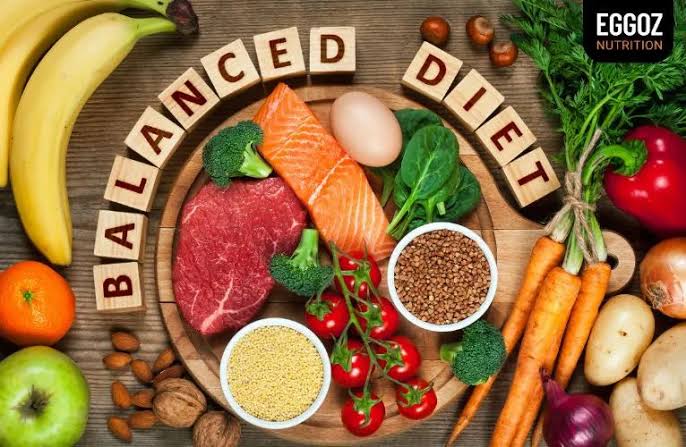
2.1 Importance of a Balanced Diet
Explanation:
Example:
Rahul used to feel tired often and couldn’t concentrate in class. After he started eating a balanced diet with more fruits, vegetables, and protein, his energy levels improved, and he felt more focused.
2.2 Key Nutrients and Their Functions
Image: 
Explanation:
Each nutrient has a specific function:
Carbohydrates: Provide energy
Proteins: Build and repair tissues
Fats: Provide stored energy
Vitamins & Minerals: Support various body functions
Water: Maintains hydration and digestion
Example:
Meena’s hair started falling out due to lack of iron (a mineral). Once she included leafy greens and nuts in her meals, her hair health improved – showing how key nutrients affect our body.
2.3 Creating Healthy Eating Habits
Explanation:
Healthy eating habits include eating at regular times, avoiding junk food, drinking enough water, and including variety in meals. These habits maintain weight and reduce the risk of diseases.
Example:
Arjun used to skip breakfast and eat late-night snacks. After following a routine of three balanced meals a day, he lost extra weight and felt more active during sports.
2.4 Common Nutritional Deficiencies and How to Address Them
Image: 
Explanation:
Common deficiencies include:
Iron deficiency (Anemia): Tiredness, weakness
Calcium deficiency: Poor bone development
These can be addressed by including appropriate foods like dairy, nuts, seeds, and sunlight exposure.
Example:
Priya had frequent leg cramps due to calcium deficiency. Her doctor suggested milk, yogurt, and sesame seeds. Within weeks, her cramps reduced – proving how diet can fix deficiencies.
QUIZ – Module 2: Nutrition and Balanced Diet
What does a balanced diet provide?
A. Only carbohydrates
B. Equal portions of fried food
C. All essential nutrients in the right quantity
D. Only vitamins
Answer: C
Which nutrient is the body’s main source of energy?
A. Protein
B. Carbohydrate
C. Vitamin C
D. Water
Answer: B
What is a healthy eating habit?
A. Skipping meals
B. Eating fast food daily
C. Eating at regular times
D. Eating late at night
Answer: C
Which food helps improve iron levels?
A. Chocolates
B. Leafy vegetables
C. Chips
D. Sweets
Answer: B
What is the function of water in the body?
A. Causes weight gain
B. Helps in digestion and hydration
C. Provides protein
D. Strengthens bones
Answer: B
Module Description
This module guides learners through the essentials of nutrition and balanced diets. It explains the importance of key nutrients, promotes healthy eating practices, and raises awareness about common deficiencies and their solutions. By learning to make informed food choices, learners are empowered to maintain physical strength and prevent nutrition-related health issues.
Keep your mouth healthy with this Tongue Cleaner. Buy Toung Cleaner
Module 3: Exercise and Physical Activity
Image: 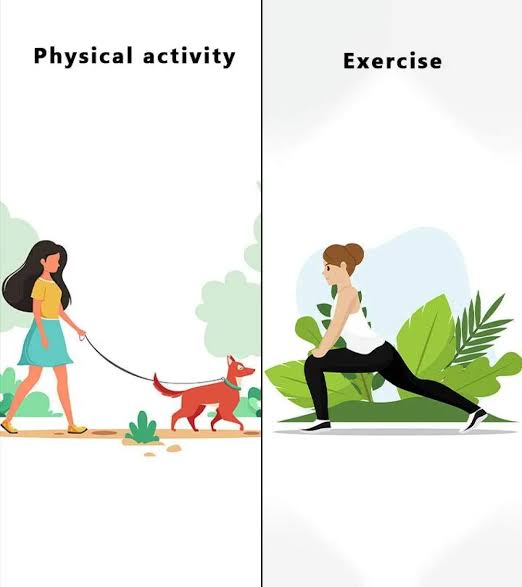
3.1 Benefits of Regular Physical Activity
Explanation:
Example:
Ravi started walking 30 minutes daily. Within a few weeks, he noticed
reduced stress, better sleep, and more energy during the day—clear benefits of regular
physical activity.
3.2 Types of Exercises for Different Age Groups
Explanation:
Different age groups need different types of exercise:
Children: Running, jumping, sports
Teens: Strength training, cardio, yoga
Adults: Walking, gym workouts, aerobics
Elderly: Stretching, light walking, chair exercises
Example:
Grandma Shanti began doing morning chair yoga for 20 minutes. It improved her flexibility and reduced her joint pain—showing age-appropriate exercises are effective.
3.3 Incorporating Physical Activity into Daily Routines
Explanation:
Physical activity doesn’t need a gym. It can be part of your routine like:
Taking stairs instead of lift
Cycling to nearby places
Dancing, gardening, or brisk walking
Doing stretches during breaks
Example:
Ananya, a college student, started walking while attending online classes. These small changes helped her stay fit even during busy days.
3.4 Overcoming Barriers to Exercise
Explanation:
Barriers like lack of time, motivation, or resources can be tackled by:
Setting realistic goals
Exercising with a friend
Starting with short 10-minute sessions
Keeping fun and variety in workouts
Example:
Vikram felt lazy to exercise after work. So he joined a group Zumba class thrice a week. The music and company kept him motivated.
QUIZ – Module 3: Exercise and Physical Activity
Which is NOT a benefit of regular exercise?
A. Better sleep
B. Weak muscles
C. Reduced stress
D. Stronger heart
Answer: B
What kind of exercise suits elderly people?
A. Heavy weightlifting
B. Sprinting
C. Chair yoga
D. Skipping
Answer: C
Which is a good way to add activity into routine?
A. Taking the lift
B. Using public transport always
C. Taking stairs
D. Sitting all day
Answer: C
What helps overcome exercise barriers?
A. Skipping workouts
B. Setting no goals
C. Joining a group
D. Avoiding variety
Answer: C
Which of these is suitable for teenagers?
A. Long naps
B. Yoga and cardio
C. Only walking
D. Avoiding activity
Answer: B
Module Description
This module encourages learners to embrace physical activity as a part of their everyday lives. It highlights how different age groups can stay active through suitable exercises, how to integrate fitness into a busy schedule, and overcome common obstacles. It emphasizes the long-term physical and mental benefits of consistent activity.
Module 4: Personal Hygiene Practices
Image: 
4.1 Importance of Handwashing
Image: 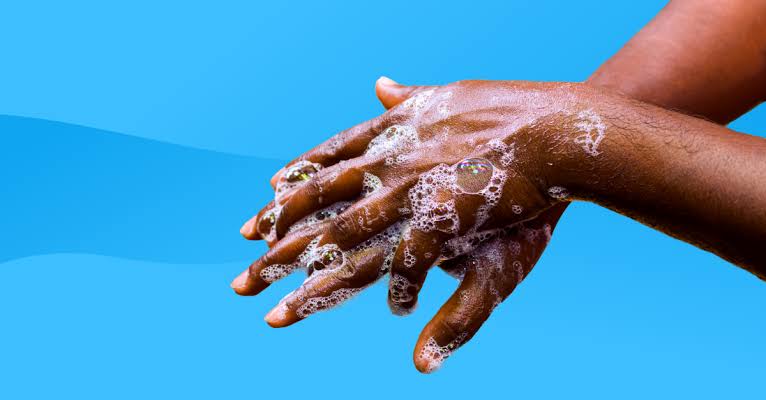
Explanation:
Handwashing is the simplest and most effective way to prevent the spread of germs and illnesses. Proper handwashing with soap removes bacteria, viruses, and dirt from hands.
Example:
Riya always washes her hands before eating and after using the restroom. When a viral infection spread in her class, she remained healthy due to her good hygiene habits.
4.2 Oral Hygiene: Techniques for Healthy Teeth and Gums
Image: 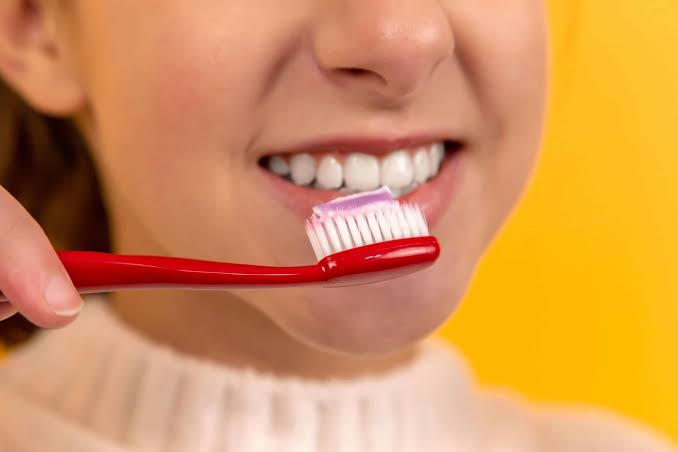
Explanation:
Brushing twice a day
Flossing once daily
Using mouthwash
Regular dental check-ups
Example:
Arjun used to skip brushing at night and developed cavities. After his dentist advised regular oral care, he started flossing and using fluoride toothpaste, which saved his teeth from further damage.
4.3 Body Hygiene: Bathing, Grooming, and Skin Care
Image: 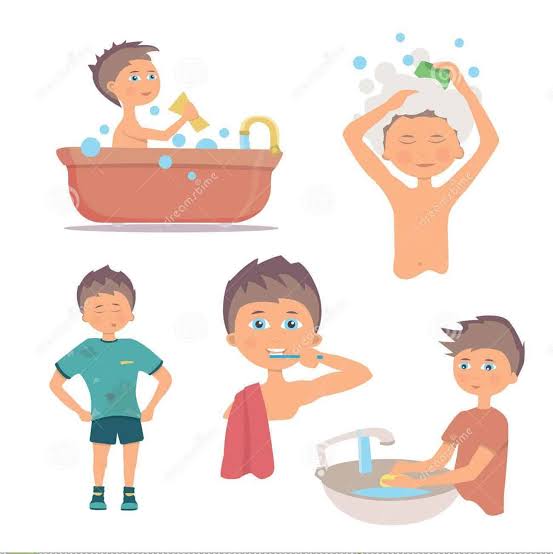
Explanation:
Daily bathing
Regular hair washing
Nail trimming
Wearing clean clothes
Example:
Neha faced frequent acne breakouts. When she started washing her face twice daily and kept her towel clean, her skin improved within weeks.
4.4 Hygiene Practices for Preventing Infections
Explanation:
Good hygiene can prevent infections such as flu, skin diseases, and stomach infections. Practices include:
Using tissues while sneezing
Cleaning wounds properly
Not sharing personal items (towels, razors)
Regular cleaning of surroundings
Example:
Aman got an eye infection after using someone else’s towel. After learning about infection control, he started using personal items only and avoided future infections.
QUIZ – Module 4: Personal Hygiene Practices
What is the most effective way to kill germs on hands?
A. Using only water
B. Rubbing on clothes
C. Washing with soap and water
D. Using sanitizer only
Answer: C
How often should you brush your teeth?
A. Once a week
B. Once daily
C. Twice daily
D. After every meal
Answer: C
Which of the following is a body hygiene habit?
A. Skipping bath in winters
B. Wearing dirty clothes
C. Trimming nails regularly
D. Not combing hair
Answer: C
Which practice helps prevent infections?
A. Sharing razors
B. Not cleaning wounds
C. Using tissues while sneezing
D. Wearing the same socks for days
Answer: C
What should be avoided to maintain personal hygiene?
A. Clean clothes
B. Sharing towels
C. Regular bathing
D. Grooming
Answer: B
Module Description
This module focuses on personal hygiene as the foundation of good health. It teaches the importance of hand, oral, and body hygiene and how these habits contribute to disease prevention and overall well-being. With practical tips and relatable examples, learners can adopt lifelong hygiene practices.
Trusted Health Site - MedlinePlus
Module 5: Mental Health and Well-being
Image: 
5.1 Connection Between Physical and Mental Health
Explanation:
Physical and mental health are deeply connected. A healthy body supports a positive mindset, and good mental health helps maintain physical well-being. Poor mental health can lead to fatigue, unhealthy habits, and chronic illnesses.
Example:
Ravi felt tired all the time despite eating well. After counseling, he realized stress and anxiety were affecting his health. Once he began exercising and talking to a mentor, both his energy and mood improved.
5.2 Managing Stress for Better Physical Health
Image: 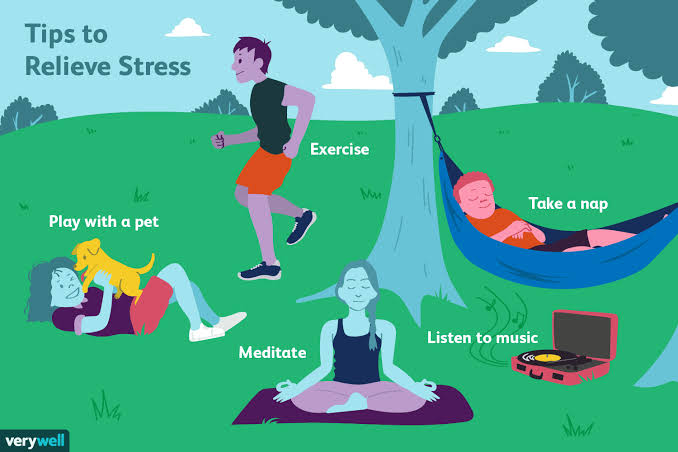
Explanation:
Chronic stress increases the risk of heart disease, high blood pressure, and weak immunity. Managing stress through time management, positive thinking, and hobbies can boost overall health.
Example:
Meera used to panic before exams, leading to headaches and lack of sleep. After learning deep breathing techniques and organizing her study schedule, she stayed calm and performed better.
5.3 Importance of Sleep and Rest
Explanation:
Quality sleep helps
repair the body, boost brain function, and improve emotional balance. Teens and adults need
7–9 hours of sleep daily for optimal health.
Example:
Amit slept only 4 hours due to his late-night mobile usage. He often felt irritable and unwell. After improving his bedtime routine, his mood and energy levels improved dramatically.
5.4 Techniques for Relaxation and Mindfulness
Explanation:
Relaxation techniques like deep breathing, meditation, yoga, and mindfulness can reduce anxiety, enhance focus, and support emotional strength.
Example:
Pooja joined a mindfulness class that taught her to focus on breathing. With regular practice, her overthinking reduced, and she felt more peaceful and present.
QUIZ – Module 5: Mental Health and Well-being
How does stress affect physical health?
A. Improves immunity
B. Helps sleep better
C. Causes high blood pressure and fatigue
D. Increases physical strength
Answer: C
How much sleep is generally recommended for adults?
A. 4–5 hours
B. 6–7 hours
C. 7–9 hours
D. 10–12 hours
Answer: C
Which of the following is a mindfulness activity?
A. Scrolling on phone
B. Watching TV late at night
C. Practicing deep breathing
D. Multitasking all the time
Answer: C
What is the benefit of yoga and meditation?
A. Increases stress
B. Reduces focus
C. Helps relax and stay calm
D. Makes you tired
Answer: C
What connects mental and physical health?
A. Food choices only
B. Exercise only
C. Sleep, emotions, and stress levels
D. Nothing connects them
Answer: C
Module Description
This module emphasizes the significance of mental well-being and its impact on physical health. Learners will understand how managing stress, getting enough rest, and practicing relaxation can lead to a healthier, more balanced life. Practical examples and mindfulness techniques make this learning actionable and relevant for all age groups.
Module 6: Environmental Hygiene
Image: 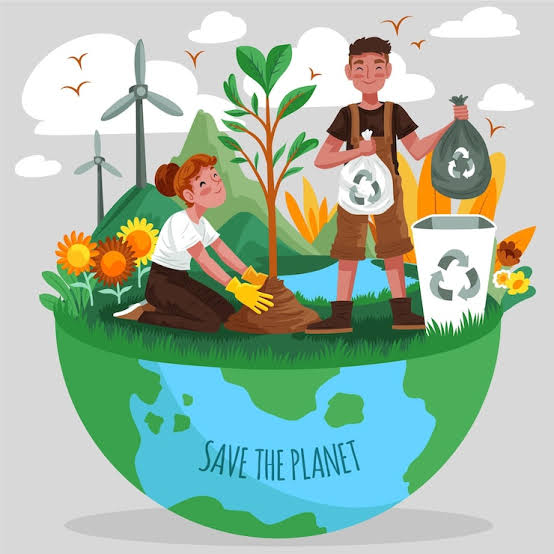
6.1 Cleanliness in the Living Environment
Image: 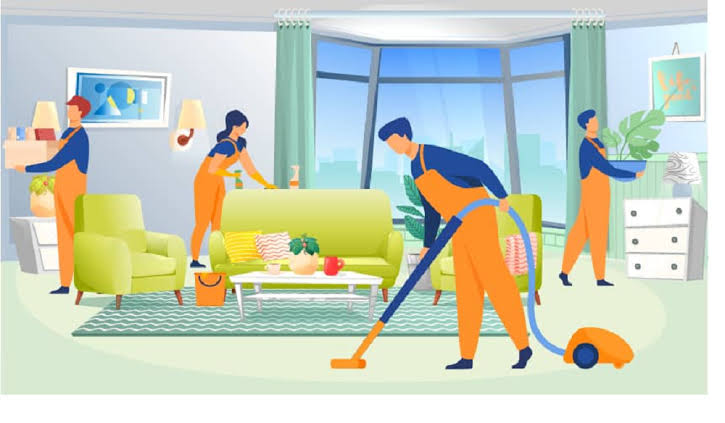
Explanation:
A
clean home and surrounding environment reduce the chances of infections, respiratory issues, and pest infestations. Regular
dusting, mopping, and ventilation are essential for good health.
Example:
Reena used to have frequent cough and allergies. After cleaning her room regularly and reducing dust accumulation, her health improved noticeably.
6.2 Waste Management and Its Impact on Health
Image: 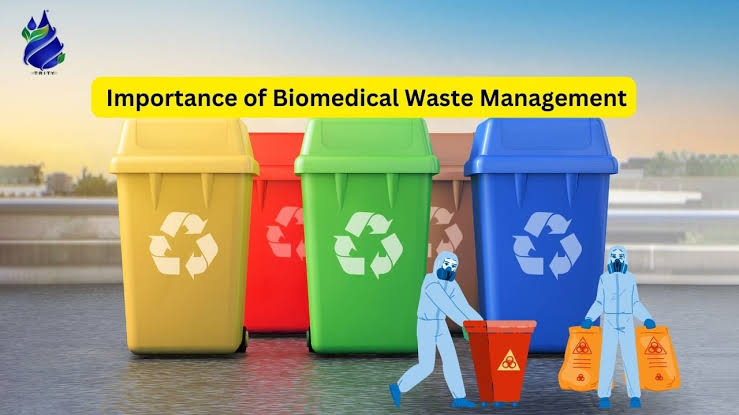
Explanation:
Proper disposal of garbage prevents the spread of diseases. Unmanaged waste can lead to foul smell, breeding of flies, and contamination of water sources.
Example:
In Raju’s colony, open garbage dumping led to an increase in dengue cases. After the community adopted proper waste segregation and disposal methods, the situation came under control.
6.3 Preventing Common Household Health Hazards
Image: 
Explanation:
Household hazards like open wires, slippery floors, mold, and pests can cause injuries and health issues. Safety measures and regular inspections help in prevention.
Example:
Sunita slipped in the bathroom due to wet floors. After placing anti-slip mats and fixing leaks, such accidents were prevented.
6.4 Importance of Clean Water and Sanitation
Explanation:
Example:
Manoj's family started using a water filter and keeping the toilet clean. Over time, stomach infections among family members significantly reduced.
QUIZ – Module 6: Environmental Hygiene
What is the benefit of regular cleaning in living areas?
A. Makes the house look good only
B. Reduces chances of infection and allergies
C. Brings more guests
D. None of the above
Answer: B
What is one major health risk from unmanaged waste?
A. Expensive garbage bags
B. Air conditioning failure
C. Spread of diseases
D. Decrease in light
Answer: C
What is a common household hazard?
A. Healthy food
B. Open wires or slippery floors
C. Good ventilation
D. Fridge
Answer: B
How can we make water safe for drinking?
A. Store it in the open
B. Drink directly from rivers
C. Boil or filter it
D. Keep it uncovered
Answer: C
Why is sanitation important?
A. For interior decoration
B. To reduce germs and infections
C. To save time
D. To increase internet speed
Answer: B
Module Description
This module explains the role of environmental hygiene in promoting overall health. Learners will explore how cleanliness, waste management, hazard prevention, and access to clean water significantly reduce health risks. Practical examples help connect these habits to everyday life.
Module 7: Health Screenings and Preventive Care
Image: 
7.1 Importance of Regular Health Checkups
Image: 
Explanation:
Regular health checkups help detect diseases at an early stage, even when there are no visible symptoms. They assist in monitoring overall health and preventing complications.
Example:
Aman went for a routine checkup and found his blood pressure was high. Early diagnosis helped him control it before it caused major health issues.
7.2 Vaccinations and Their Role in Preventing Diseases
Image: 
Explanation:
Vaccines help the body build immunity against specific diseases like measles, polio, and flu. They are a key part of preventive healthcare for all age groups.
Example:
Riya received her
flu shot before the winter season. Even when others around her got sick, she stayed healthy due to timely vaccination.
7.3 Early Detection of Health Issues
Explanation:
Screenings like blood tests, eye tests, and cancer screenings help detect diseases in early stages, making treatment easier and more effective.
Example:
Sohan's mother got a
mammogram done, which detected a lump early. Timely treatment ensured her
full recovery.
7.4 Common Preventive Health Measures
Explanation:
These include maintaining hygiene, eating nutritious food, exercising, getting enough sleep, avoiding tobacco and alcohol, and staying updated on health records.
Example:
Anita follows a balanced diet, avoids junk food, and exercises daily. These simple habits have kept her fit and prevented frequent illnesses.
QUIZ – Module 7: Health Screenings and Preventive Care
A. To get medicines every time
B. To detect problems early
C. To reduce height
D. For fun
Answer: B
What do vaccines do?
A. Cure all diseases instantly
B. Make you sleepy
C. Build immunity against specific diseases
D. Change body color
Answer: C
What is a benefit of early detection of disease?
A. Easy and timely treatment
B. No need for medicine
C. More illness
D. Delayed recovery
Answer: A
Which of the following is a preventive health habit?
A. Skipping breakfast
B. Eating street food daily
C. Regular exercise
D. Sleeping late
Answer: C
What test helps detect vision problems?
A. Blood test
B. X-ray
C. Eye test
D. Hearing test
Answer: C
Module Description
This module focuses on how timely health checkups, vaccinations, and preventive habits can save lives and improve quality of life. With real-life examples and clear explanations, it encourages learners to take charge of their health through regular screenings and self-care practices.
Module 8: Review and Reflection
Image: 
8.1 Recap of Key Health and Hygiene Concepts
Image: 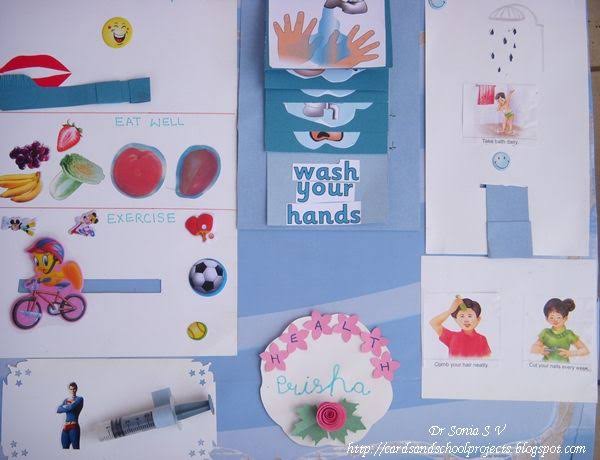
Explanation:
This sub-module revisits the key lessons from all previous modules—like the importance of hygiene, balanced diet, regular exercise, mental well-being, preventive care, and environmental cleanliness.
Example:
Ritika created a
mind map of all the topics she learned, which helped her
remember and apply them in her daily life.
8.2 Assessing Personal Health Habits
Explanation:
It’s important to evaluate your own lifestyle habits—what you eat, how active you are, how well you sleep, and how often you visit the doctor.
Example:
Karan realised he wasn’t drinking enough water or exercising regularly. He started tracking his habits with a checklist.
8.3 Setting Goals for Improved Physical Health and Hygiene
Explanation:
Once you've assessed your habits, set realistic and measurable goals like drinking 8 glasses of water a day, sleeping 8 hours, or brushing teeth twice daily.
Example:
After reflection, Seema set a goal to
start walking 30 minutes every morning and improve her
sleep routine.
8.4 Final Project: Personal Health and Hygiene Improvement Plan
Video: Watch Video
Explanation:
As a final task, you’ll design a personal plan that outlines what changes you will make in your routine to improve your physical health and hygiene.
Example:
Rahul made a weekly plan including healthy meals, 3 workouts, 2 relaxation activities, and a weekly hygiene self-check.
QUIZ – Module 8: Review and Reflection
Why is reviewing what you’ve learned important?
A. To pass time
B. To memorize everything forever
C. To understand and apply the knowledge in real life
D. To copy others
Answer: C
What is the first step before setting health goals?
A. Watching YouTube videos
B. Assessing personal habits
C. Buying new clothes
D. Ignoring current habits
Answer: B
Which of these is a good health goal?
A. Sleep 3 hours a day
B. Eat only fast food
C. Exercise regularly and eat vegetables
D. Skip meals to lose weight
Answer: C
What should a Personal Improvement Plan include?
A. Only exercise
B. A list of movies to watch
C. Routine changes for better health
D. Names of friends
Answer: C
Which is a way to assess your habits?
A. Guessing
B. Comparing with others
C. Using a daily health checklist
D. Ignoring health signs
Answer: C
Module Description
This final module encourages learners to reflect on their learning journey. Through personal assessments and goal-setting, it empowers them to take actionable steps towards a healthier lifestyle. The final project allows each learner to apply their knowledge in real life, turning awareness into lifelong habits.

Wowww good information
ReplyDelete👍
ReplyDeleteNice information
ReplyDelete👍👍
ReplyDelete